How to Exchange USDC: A Step-by-Step Guide for Swapping, Selling, and Using USDC

If you hold USD Coin (USDC) and want to convert it into another cryptocurrency, cash, or a different digital asset, you need to know how to exchange USDC efficiently. USDC is a stablecoin pegged to the U.S. dollar, which means its value remains close to $1. This makes it a popular choice for trading, transferring value, and earning yield. However, the process of exchanging USDC depends on where you hold it and what you want to receive. Below is a practical guide covering the most common methods.
1. Exchange USDC for Other Cryptocurrencies on a Centralized Exchange
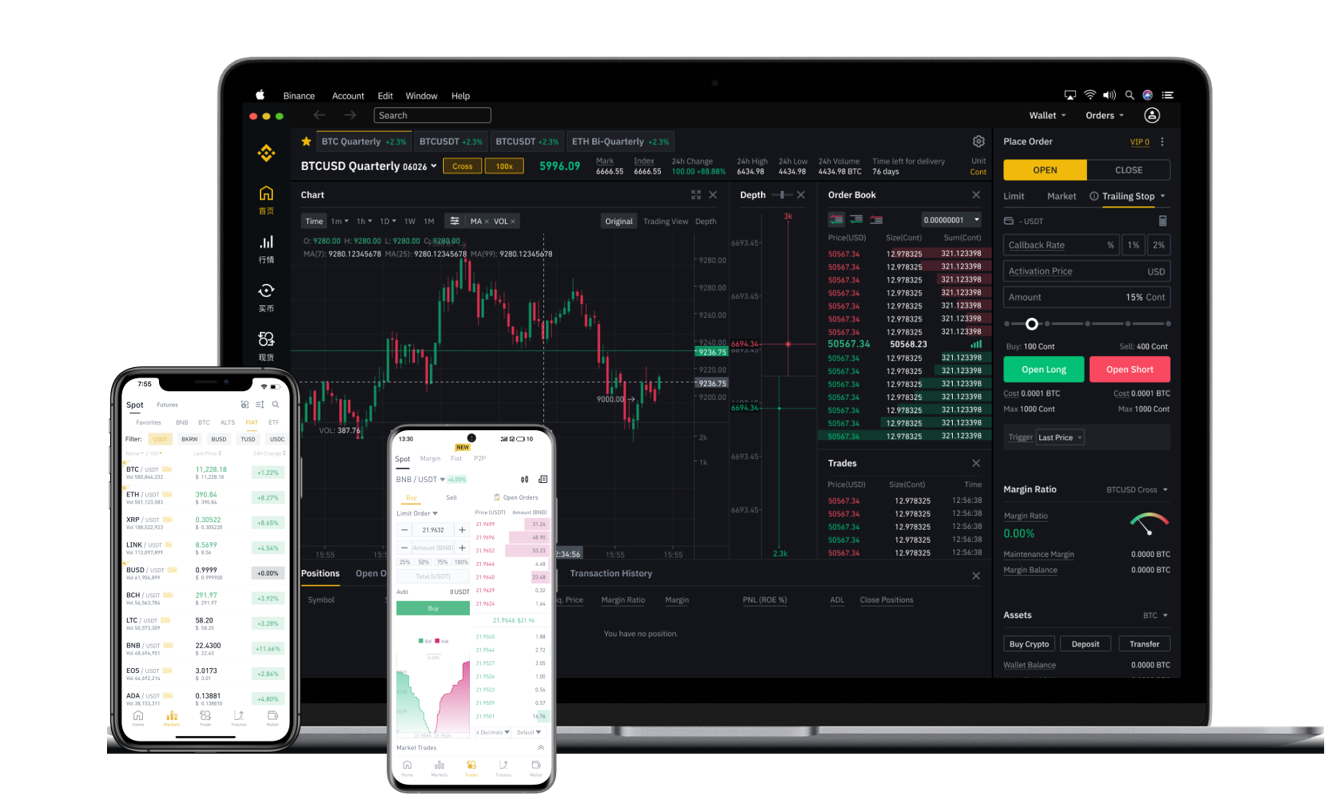
Centralized exchanges like Binance, Coinbase, Kraken, and Bybit offer direct trading pairs for USDC. To exchange USDC for Bitcoin (BTC), Ethereum (ETH), or any other token, log into your exchange account, navigate to the "Trade" or "Convert" section, select USDC as the asset you want to sell, choose the target cryptocurrency, and execute the trade. Most exchanges charge a small fee (often 0.1% to 0.5%) for spot trading. Some platforms also offer a "Convert" feature that lets you swap USDC instantly without placing a limit order. Always compare the exchange rate before confirming, as some platforms add a hidden spread.
2. Exchange USDC for Cash (Fiat Currency)
If you need to withdraw USDC to your bank account, you must first convert it to fiat currency such as USD, EUR, or GBP. On exchanges like Coinbase or Kraken, you can sell USDC directly for fiat at a 1:1 ratio (minus a small fee). After the sale, initiate a bank withdrawal. This process usually takes 1–3 business days. Alternatively, some platforms like Binance allow you to use peer-to-peer (P2P) trading, where you sell USDC to another user and receive payment via bank transfer or mobile wallet. P2P often has lower fees but requires you to verify the buyer’s reputation.
3. Use a Decentralized Exchange (DEX) to Swap USDC
For users who prefer self-custody, decentralized exchanges like Uniswap, SushiSwap, or Curve allow you to exchange USDC for other tokens directly from your wallet (e.g., MetaMask, Trust Wallet). Connect your wallet to the DEX, select USDC as the input token, choose the output token (such as ETH or DAI), and confirm the swap. You will need to pay gas fees (network transaction fees) in ETH or the native token of the blockchain. DEXs are permissionless, meaning you don’t need to register or provide KYC documents. However, be cautious of slippage—the difference between the expected and actual price—and always use reputable smart contracts.
4. Exchange USDC Across Different Blockchains
USDC exists on multiple blockchains, including Ethereum, Solana, Polygon, Arbitrum, and Avalanche. If you hold USDC on one chain and need it on another, you must use a cross-chain bridge or a centralized exchange. For example, you can send USDC on Ethereum to Binance, then withdraw it as USDC on BNB Smart Chain. Alternatively, use bridges like Wormhole, Stargate, or the official Circle CCTP (Cross-Chain Transfer Protocol). Be aware that bridging may take a few minutes and incur bridging fees. Always double-check the destination address and chain to avoid losing funds.
5. Exchange USDC via Peer-to-Peer (P2P) Platforms
P2P platforms such as Binance P2P, Paxful, or LocalBitcoins let you trade USDC directly with other users. You can set your own price and payment method (bank transfer, PayPal, or gift cards). Once a buyer initiates a trade, the platform holds the USDC in escrow until the payment is confirmed. This method is useful if you want to avoid bank delays or need to exchange USDC for a local currency not supported by major exchanges. Always trade with verified users and check their feedback score.
6. Important Tips Before You Exchange USDC
First, always check the network you are using. Sending USDC on the wrong blockchain (e.g., sending ERC-20 USDC to a Solana address) can result in permanent loss. Second, compare fees across different methods—centralized exchanges usually charge lower fees than DEXs during periods of high network congestion. Third, consider the tax implications. In many jurisdictions, exchanging USDC for another cryptocurrency is a taxable event. Finally, if you are exchanging a large amount (e.g., over $10,000), use a platform with high liquidity to avoid significant price impact.
In summary, exchanging USDC is a straightforward process whether you use a centralized exchange, a decentralized platform, a cross-chain bridge, or a P2P marketplace. Choose the method that best matches your need for speed, cost, privacy, and supported assets. Always double-check addresses, network types, and transaction details before confirming any swap.