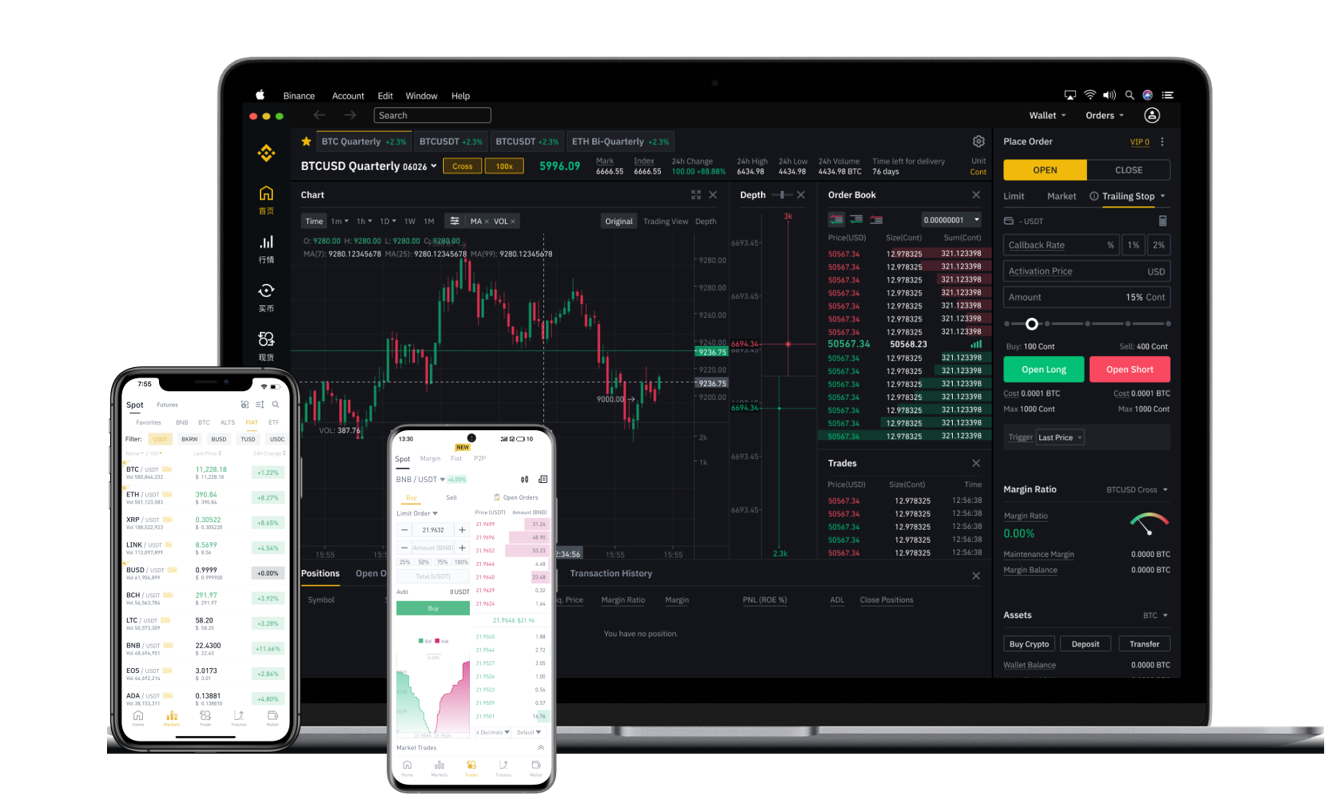
USDC and CICC: How Stablecoins and Chinese Investment Banks Are Reshaping Digital Finance
The convergence of traditional finance and digital assets is accelerating, with two key players capturing the market's attention: USDC, one of the world’s leading regulated stablecoins, and CICC (China International Capital Corporation), a premier Chinese investment bank. While they operate in distinct regulatory environments—USDC in the dollar-based crypto ecosystem and CICC in China’s state-controlled capital markets—their interaction signals a deeper transformation in global finance.
First, understanding USDC’s role is critical. Issued by Circle and regulated under U.S. financial laws, USDC is a fully reserved stablecoin pegged 1:1 to the U.S. dollar. It has become the backbone of decentralized finance (DeFi) and institutional crypto trading, offering transparency and liquidity. Unlike its less transparent competitors, USDC publishes monthly attestations of its reserves, making it a trusted bridge between fiat and crypto. Its recent expansion into cross-border payments and treasury management positions it as a potential rival to traditional settlement systems like SWIFT.
On the other side, CICC represents the disciplined, state-backed infrastructure of Chinese capital markets. As one of the first joint-venture investment banks in China, CICC has been pivotal in underwriting major IPOs, M&A advisory, and bond issuance. However, with China’s strict ban on cryptocurrency trading, CICC’s direct involvement with digital assets like USDC remains minimal. Yet the strategic interest is undeniable. CICC has published multiple research reports analyzing stablecoins, central bank digital currencies (CBDCs), and tokenization. In 2023, its reports highlighted how regulated stablecoins could optimize cross-border trade settlements for Chinese enterprises—a move that aligns with China’s broader push for digital yuan adoption.
The intersection of USDC and CICC is not about direct transactions but about market signaling. For global investors, the combination suggests a future where Chinese financial institutions may gradually integrate compliant digital dollar instruments for international trade finance, while maintaining strict domestic controls. This dual-track approach—allowing stablecoins for offshore liquidity while promoting a sovereign CBDC at home—could redefine how capital flows between East and West. Furthermore, CICC’s research legitimacy could encourage other Asian institutional investors to explore USDC for yield-bearing strategies in DeFi protocols, despite regulatory caution.
In the short term, expect increased dialogue between compliance teams at major Chinese banks and stablecoin issuers. For example, tokenized money market funds or synthetic dollar bonds issued via Hong Kong’s regulatory sandbox could see CICC as an underwriter. Meanwhile, USDC’s transparency model may influence how Chinese state-owned banks design their own digital asset custody services. The key takeaway is clear: even in a fragmented regulatory landscape, the synergy between a trusted stablecoin like USDC and a heavyweight investment bank like CICC is a powerful indicator of institutional adoption. As tokenization moves from niche to mainstream, their interaction will be one to watch.