How to Operate Binance, Huobi, and OKX Exchanges: A Step-by-Step Guide for Beginners

Navigating the world of cryptocurrency exchanges can feel overwhelming, especially for newcomers. Three of the most prominent platforms—Binance, Huobi (now known as HTX), and OKX—offer powerful tools for trading, staking, and managing digital assets. However, each exchange has its own interface, features, and operational quirks. Understanding how to operate them correctly is the first step toward safe and efficient trading. This guide provides a clear, platform-by-platform breakdown of the basic operations on these three major exchanges.
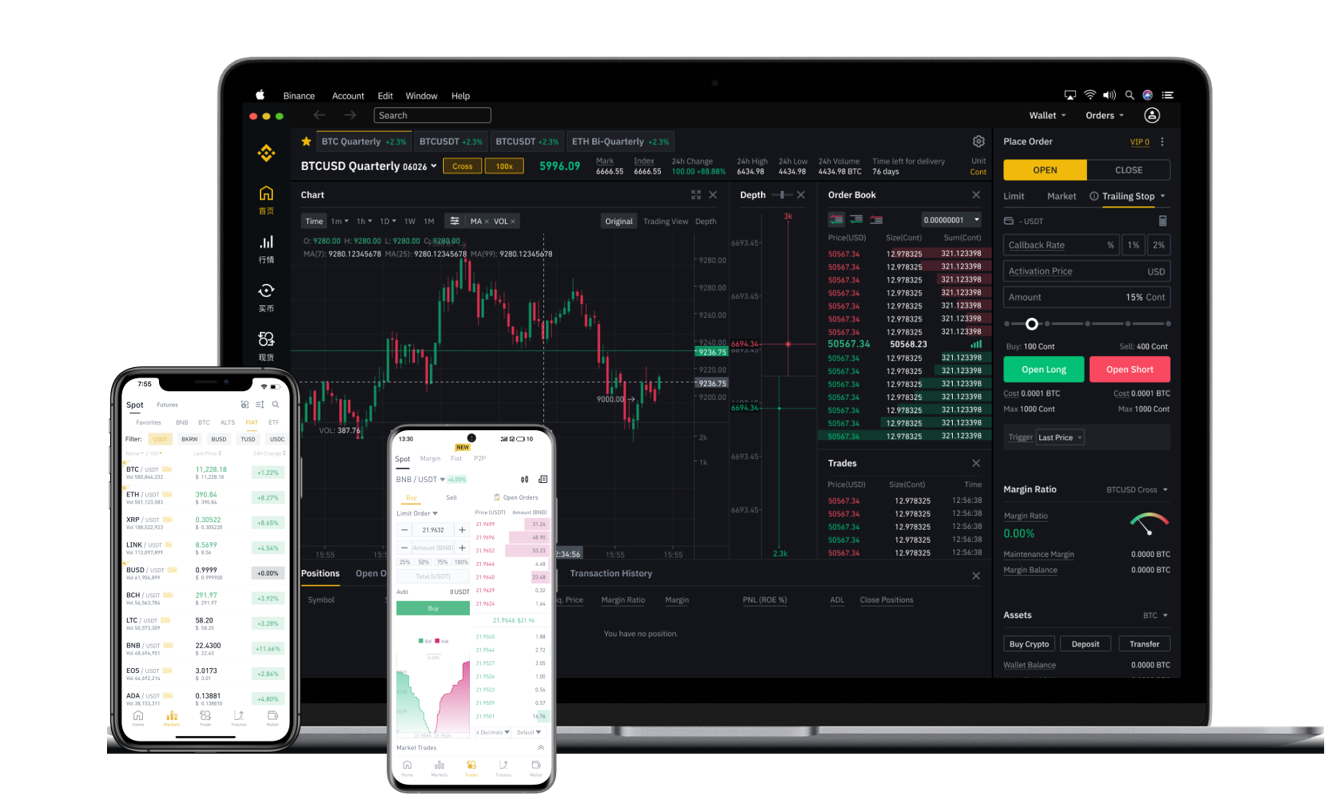
First, let’s look at how to operate Binance. As the largest exchange by trading volume, Binance offers an extensive suite of functions. To begin, you must create an account and complete the identity verification (KYC) process, which is mandatory for higher withdrawal limits. Once logged in, the default “Spot” trading interface is your primary tool. On the left side, you’ll see the order book showing buy and sell orders. In the center is the price chart. To place a trade, you select a trading pair (e.g., BTC/USDT), choose between a “Limit” order (set your own price) or a “Market” order (buy at the current best price), enter the amount, and click “Buy” or “Sell.” Binance also features advanced options like “Stop-Limit” orders for risk management. For deposits, navigate to “Wallet” → “Fiat and Spot,” find your asset, and click “Deposit” to get the specific deposit address or network selection. Always double-check the deposit network to avoid losing funds.
Next, operating Huobi (HTX) follows a similar logic but has its own interface design. After registration and KYC, the main dashboard displays a “Trade” button leading to the spot exchange. Huobi’s trading panel is divided into three columns: the order book on the left, the chart in the middle, and the order placement form on the right. When you select a trading pair, you can adjust the order type—Huobi uses simple language like “Price Limited” for limit orders and “Market Price” for market orders. Huobi also provides a “Margin” trading mode for experienced users, accessible from the top navigation bar. One unique aspect of Huobi is its “Visa Candlestick” charting view, which is customizable. For withdrawals, go to “Assets” → “Spot Account,” find your coin, and click “Withdraw.” The platform will ask for the withdrawal address, network, and a 2FA verification code. Huobi strongly recommends using the official “HTX Wallet” app for faster transaction confirmations.
Finally, OKX is known for its sleek interface and robust trading engine. To start, complete registration and KYC. OKX’s “Trade” section offers three main views: “Simple” (for beginners), “Advanced” (for professionals), and “Express” (for quick swaps). For new users, the “Simple” mode provides a clear buy/sell button with preset amounts. However, the “Advanced” mode gives you full control with depth charts and multiple order types. Unlike Binance or Huobi, OKX integrates its own “Earn” section directly into the trading panel, allowing you to stake assets like OKB or BTC without leaving the page. To deposit, click “Assets” → “Deposit,” choose the asset, and select the correct network (e.g., ERC-20 for ETH). OKX also supports “Crypto Loans” and “Savings” directly from the deposit screen. A critical safety tip for all three platforms: always use the official exchange website or app, enable 2FA via Google Authenticator (not SMS), and whitelist withdrawal addresses to prevent unauthorized transfers.
In conclusion, while Binance, Huobi, and OKX share fundamental operations like KYC, deposits, and order placement, they differ in interface layout, advanced features, and risk management tools. Beginners should start with spot trading on the default mode, learn to read the order book, and familiarize themselves with the withdrawal process before using margin or futures. Each platform offers a testnet or demo account for practice—using these is highly recommended. By mastering these basic operations, you can confidently move from passive observation to active trading, while keeping your assets secure. Remember, the key to successful exchange usage lies not just in knowing what buttons to push, but in understanding the underlying market dynamics and security practices.