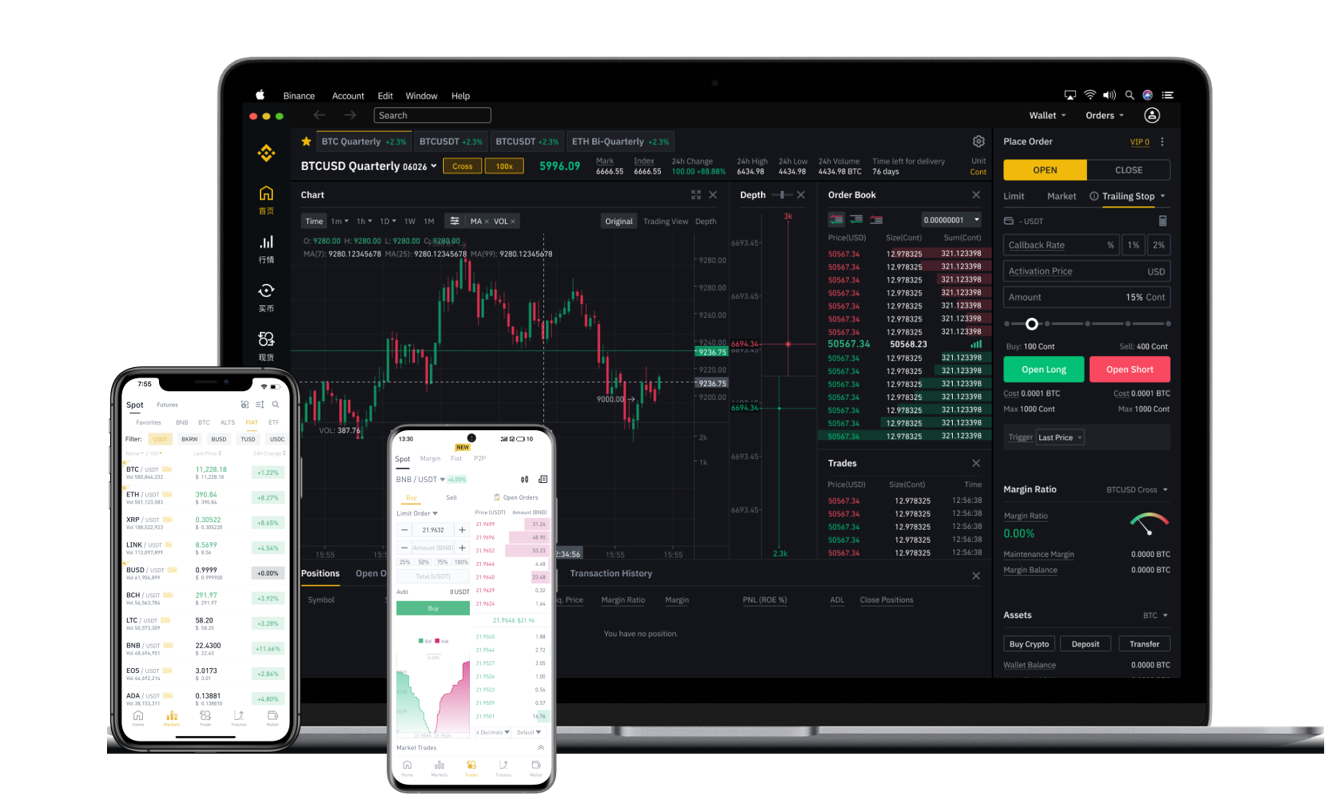
Step-by-Step Guide: How to Get Your PT Token Listed on Binance Exchange in 2025

For cryptocurrency projects, achieving a listing on Binance—the world’s largest digital asset exchange by trading volume—remains one of the most significant milestones. If you are a developer or community member working with a token known as "PT" (or a similar project token), understanding the precise operational steps to facilitate this listing is critical. This guide outlines the standardized process, requirements, and strategic actions required to submit a PT token for Binance consideration.
First, it is essential to clarify that Binance does not accept unsolicited listing applications from the public in the same way as a standard form submission. The primary gateway is the official Binance Listing Application Portal, accessible through the Binance website under the "Projects" section. To begin, the project team must complete the "Apply for Listing" form with exhaustive detail. This includes providing the PT token’s complete whitepaper, the tokenomics breakdown (total supply, circulating supply, distribution schedule), the smart contract address (verified on Etherscan or the relevant blockchain explorer), and the full technical documentation of the underlying blockchain network.
The second critical operational step involves passing Binance’s rigorous due diligence (DD) process. Binance evaluates several key criteria for the PT token: the project’s team background (requiring KYC verification for core members), the project’s community size and engagement metrics (active Telegram, Discord, and Twitter followers), the token’s daily trading volume on decentralized exchanges (DEXs) like Uniswap or PancakeSwap, and the liquidity depth. To prepare, the PT team should ensure that the token has a minimum of six months of on-chain activity and a proven track record of no security vulnerabilities or rug-pull indicators. Binance’s internal listing team will also conduct a code audit of the PT smart contract; therefore, a recent audit report from a reputable third-party firm (such as CertiK or SlowMist) is mandatory before submission.
Third, the project must handle the financial and legal aspects. Binance typically requires a substantial listing fee, which varies depending on the tier of the exchange (e.g., Binance Spot, Binance Futures, or Binance Research). The PT team must have sufficient funds in a business account to cover this fee, as well as a deposit of PT tokens into a Binance-controlled wallet for market-making purposes. Legally, the project must provide a legal opinion letter from a recognized law firm, confirming that the PT token is not classified as a security in major jurisdictions (especially the United States, Singapore, and the European Union). Without this legal clearance, the listing application will be immediately rejected.
Finally, after the technical and legal paperwork is accepted, the PT team must coordinate the exact listing date with Binance’s project management team. This involves scheduling the announcement date, the deposit opening time, the trading pair activation (e.g., PT/BTC, PT/USDT), and the withdrawal enablement. During this phase, the team must also prepare marketing collateral—a Binance Announcement post, a blog article, and social media campaigns to drive initial liquidity. Once the exchange confirms the T-minus schedule, the PT token will be deposited into the exchange’s hot wallet, and trading will commence exactly at the pre-announced timestamp.
It is crucial to note that the entire process, from initial application to live trading, can take anywhere from three to twelve months. Binance receives thousands of applications annually, and only a fraction pass the screening. The PT project must demonstrate not only technical solidity but also a strong, active, and decentralized community. The single most effective operational factor for improving the chances of listing is to build deep organic liquidity on a DEX first, preferably on the Binance Smart Chain (BSC), as Binance frequently prioritizes projects that already have a successful ecosystem within its own network.