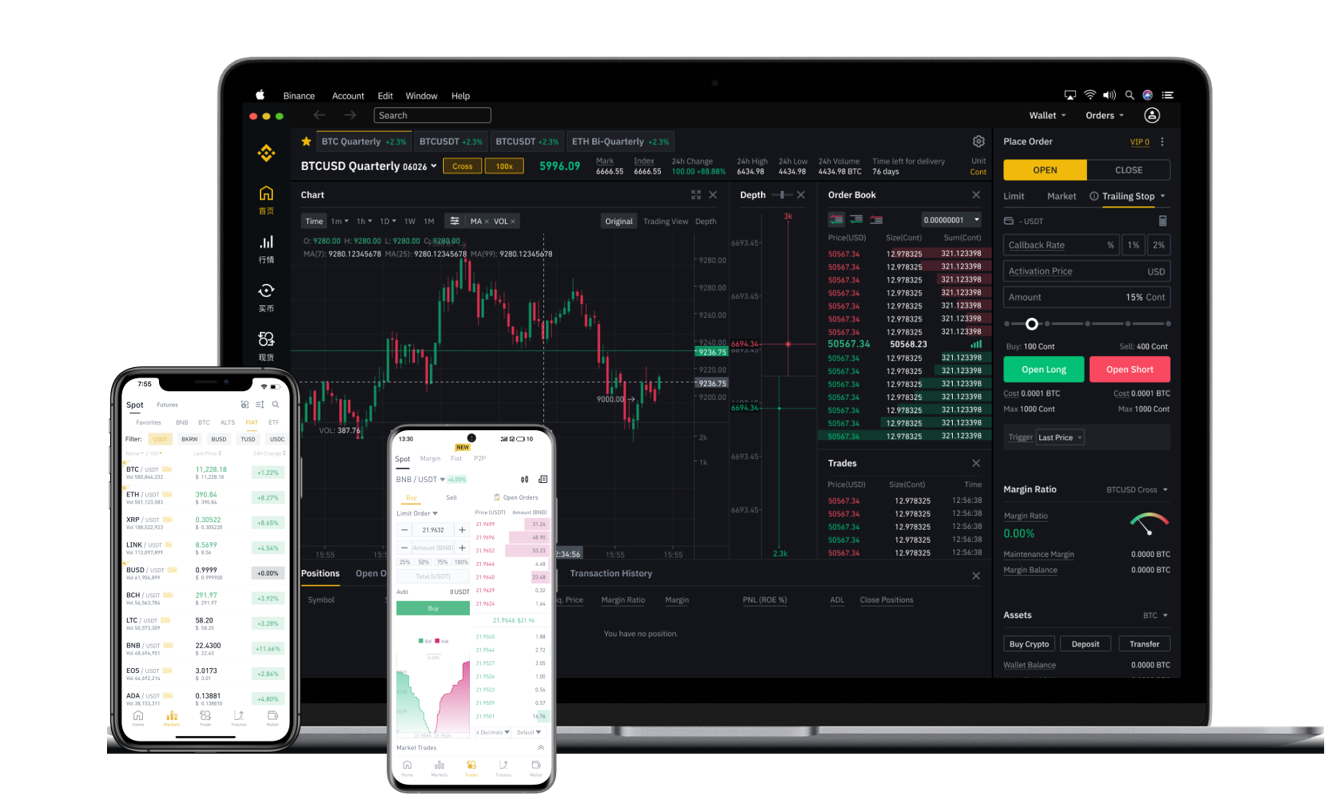
Binance Listing Timeline & How to Use Cryptocurrency Listings: A Complete Guide

Cryptocurrency investors frequently ask "When will a coin be listed on Binance?" and "How do I use a Binance listing to my advantage?" These questions reflect the massive impact a Binance listing can have on an asset's price and liquidity. Understanding the timeline and the practical steps for using such listings is essential for both traders and long-term holders.
First, there is no fixed public calendar for Binance listings. Binance decides to list a cryptocurrency based on a range of factors: the project's fundamentals, trading volume, community activity, developer activity, and overall market demand. The process is confidential until Binance makes an official announcement. The most reliable way to track potential listings is to watch Binance’s official social media channels—particularly Twitter and the Binance Research blog—as well as their "Binance Info" platform, where new projects are sometimes evaluated.
When a new listing is announced, there are typically two key stages: the announcement date and the actual trading open date. The announcement usually occurs 1 to 7 days before trading starts. During this window, the price of the token often reacts strongly. Some traders attempt to buy the token on other exchanges before the Binance listing becomes effective. This strategy is known as "front-running" the listing. However, it carries high risk because the price may already be inflated by speculation. A safer approach is to wait for the market to settle after the initial excitement.
To "use" a Binance listing effectively, you need a clear strategy. If you are an existing holder, you should consider setting limit orders rather than market orders to avoid high slippage during the frenzy. Many exchanges, including Binance, have specific rules for first few seconds or minutes of trading. For example, Binance sometimes implements a "Liquidity Provider Program" or a "Risk Control Mechanism" that pauses trading if prices swing too wildly. This protects traders but also means you must be patient.
For users who want to trade the listing with low risk, using the spot market on Binance is the simplest method. After the token is listed, you can deposit it from another wallet (if it has the same blockchain) or buy directly with USDT or BUSD. Binance often offers zero-fee trading promotions for new listings during the first 24 to 48 hours. This can save you significant costs if you plan to trade actively. Always check the "Fees" section for the specific trading pair.
Another way to "use" a listing is through Binance Launchpool or Binance Launchpad. These are platforms where Binance introduces new tokens before they hit the spot market. By staking BNB, BUSD, or other tokens, you can earn the new token for free. Once the token is listed, you can choose to sell it or hold it. This is considered one of the safest ways to gain exposure to a new Binance listing, as you are earning rather than buying.
It is also important to know that not every Binance listing leads to long-term gains. Some tokens dump immediately after listing due to "sell the news" behavior. Therefore, using a Binance listing requires risk management. Set stop-loss orders if you are trading, and never invest more than you can afford to lose. Use Binance's "Advanced" trading interface to set take-profit and stop-loss levels simultaneously.
Finally, for beginners, the best way to "use" a Binance listing is to learn from each event. Keep a journal of the price action around listings. Pay attention to the volume patterns. Over time, you will develop a sense for when a listing is likely to boost a coin's value and when it is a trap. Binance provides extensive data through its APIs and charting tools. Mastering these tools is the ultimate key to turning a listing event into a profitable experience.