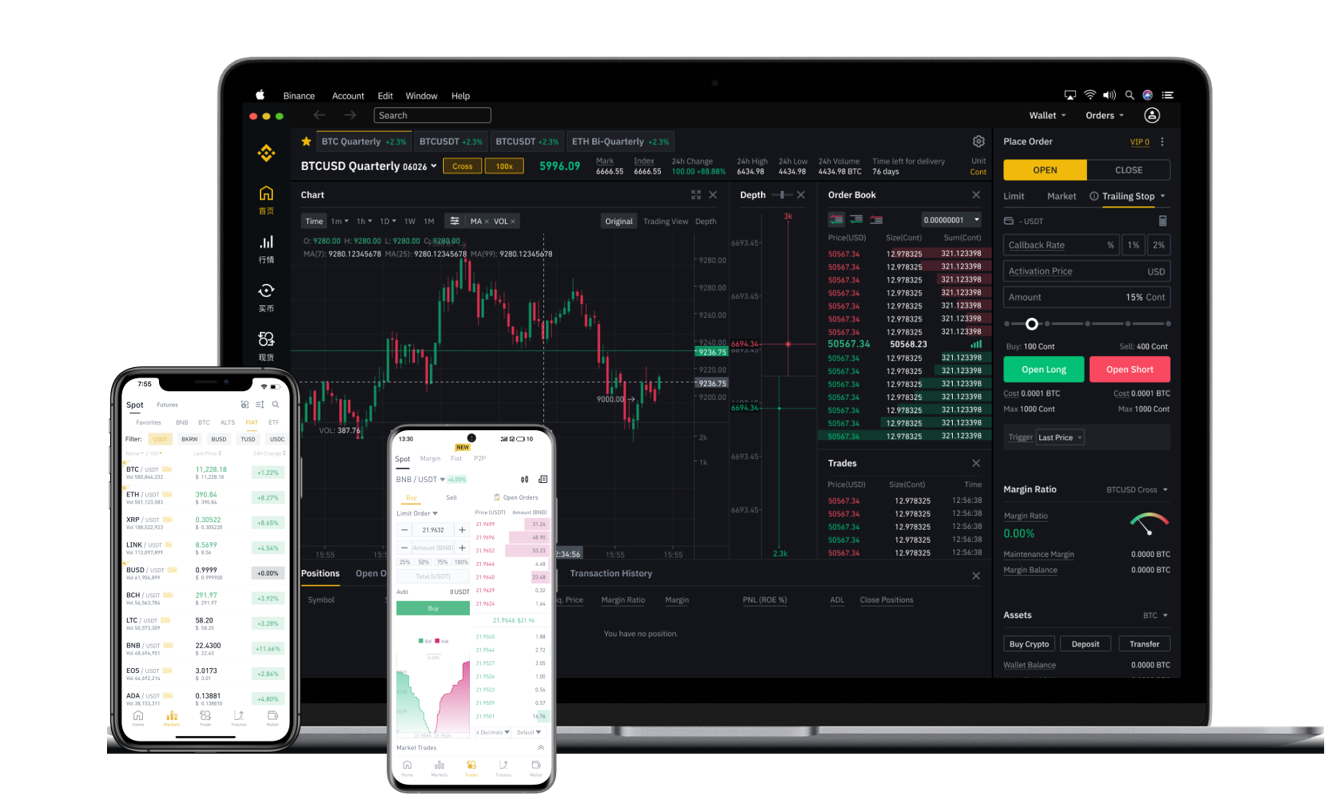
How to Withdraw Funds from Binance and Other Foreign Crypto Exchanges: A Step-by-Step Guide

With the growing popularity of cryptocurrency trading, many users turn to international platforms like Binance (commonly known as "币安" in Chinese markets) to buy, sell, and store digital assets. However, one of the most frequently asked questions among new and experienced traders alike is: How do I withdraw funds from a foreign exchange like Binance to my local bank account or wallet? This article provides a clear, practical guide to navigating the withdrawal process on Binance and similar offshore exchanges, focusing on key steps, common challenges, and secure methods.
First, it is important to understand that Binance, as a global exchange, does not directly support fiat currency withdrawals to all regions. The withdrawal method you choose depends on your location, the currency you wish to withdraw (e.g., USDT, BTC, or local fiat), and the available withdrawal channels. For users in regions where Binance does not offer direct bank transfers, the most common approach is to convert your crypto into a stablecoin like USDT or USDC, then transfer it to a local exchange that supports fiat withdrawals. For example, after selling your crypto on Binance, you can withdraw USDT to a peer-to-peer (P2P) platform or a regional exchange like Coinbase, Kraken, or a local licensed platform that links to your bank account.
To withdraw from Binance, follow these steps: Log into your account, go to "Wallet" and select "Withdraw." Choose the cryptocurrency you wish to withdraw (if you need local currency, first sell your crypto for a stablecoin or the relevant fiat option within Binance). Enter the withdrawal address—ensure it is the correct address for your external wallet or exchange. For security, always double-check the network type (e.g., ERC-20, BEP-20, TRC-20) to match the destination address. Then, enter the amount, confirm the fees (which vary by network), and complete any two-factor authentication (2FA) required. Binance may also require an email confirmation or anti-phishing code.
If you are withdrawing to a bank account, the process is more complex. In many countries, Binance has limited direct fiat withdrawal options. A widely used alternative is the Binance P2P marketplace. Here, you can sell your crypto directly to another user who pays you in local currency via bank transfer, Alipay, or other local payment methods. After completing the P2P trade, the fiat funds are released to your verified payment account. This method is fast but requires caution: always trade with verified merchants, check their ratings, and never release crypto until you have received the fiat payment.
Another option is to withdraw crypto to a hardware wallet or a software wallet like Trust Wallet or MetaMask. This is a safe way to store your funds long-term. To do this, simply copy your wallet address from the receiving wallet, paste it into Binance's withdrawal field, and confirm the transaction. Note that blockchain transactions are irreversible, so a small test transfer is highly recommended for first-time withdrawals.
One of the key challenges users face when withdrawing from foreign exchanges is regulatory restrictions. Some countries impose capital controls, anti-money laundering (AML) checks, or high transaction taxes on crypto-to-fiat conversions. Always check your local regulations before proceeding. For example, in China, where Binance is not officially registered for fiat trading, users often adopt the P2P method or use Hong Kong-based exchanges for withdrawals. In the United States, Binance.US is a separate entity with different withdrawal options, including ACH bank transfers.
To minimize fees and delays, consider these tips: Withdraw during low network congestion times to reduce transaction fees. Use native blockchain networks (e.g., BEP-20 for Binance Chain) to lower costs if the destination supports them. Avoid withdrawing directly to a bank account if your exchange charges high conversion fees; instead, use stablecoins as an intermediary. Always keep your withdrawal address whitelisted and enable 2FA to protect against unauthorized access.
In summary, withdrawing from Binance or any foreign crypto exchange requires careful planning. The safest and most common path involves converting to a stablecoin, transferring to a local exchange or using P2P, and then cashing out to your bank account. For long-term holders, direct crypto withdrawals to a private wallet are recommended. As regulations evolve, always stay updated on your exchange’s withdrawal policies and your country’s legal framework. By following these steps, you can securely and efficiently move your funds from offshore exchanges to your local currency or personal custody.