How to Withdraw from Fake Binance Exchange – Warning Signs & Recovery Steps
Searching for "how to withdraw from a fake Binance exchange" usually means one thing: you have already deposited funds into a fraudulent platform that mimics the real Binance. This is a dangerous situation, and the immediate answer is that a legitimate withdrawal from a fake exchange is almost always impossible. Scammers design these sites to accept deposits but block all outgoing transactions, often demanding additional "fees" or "verification" payments before they allow a withdrawal—which never comes.
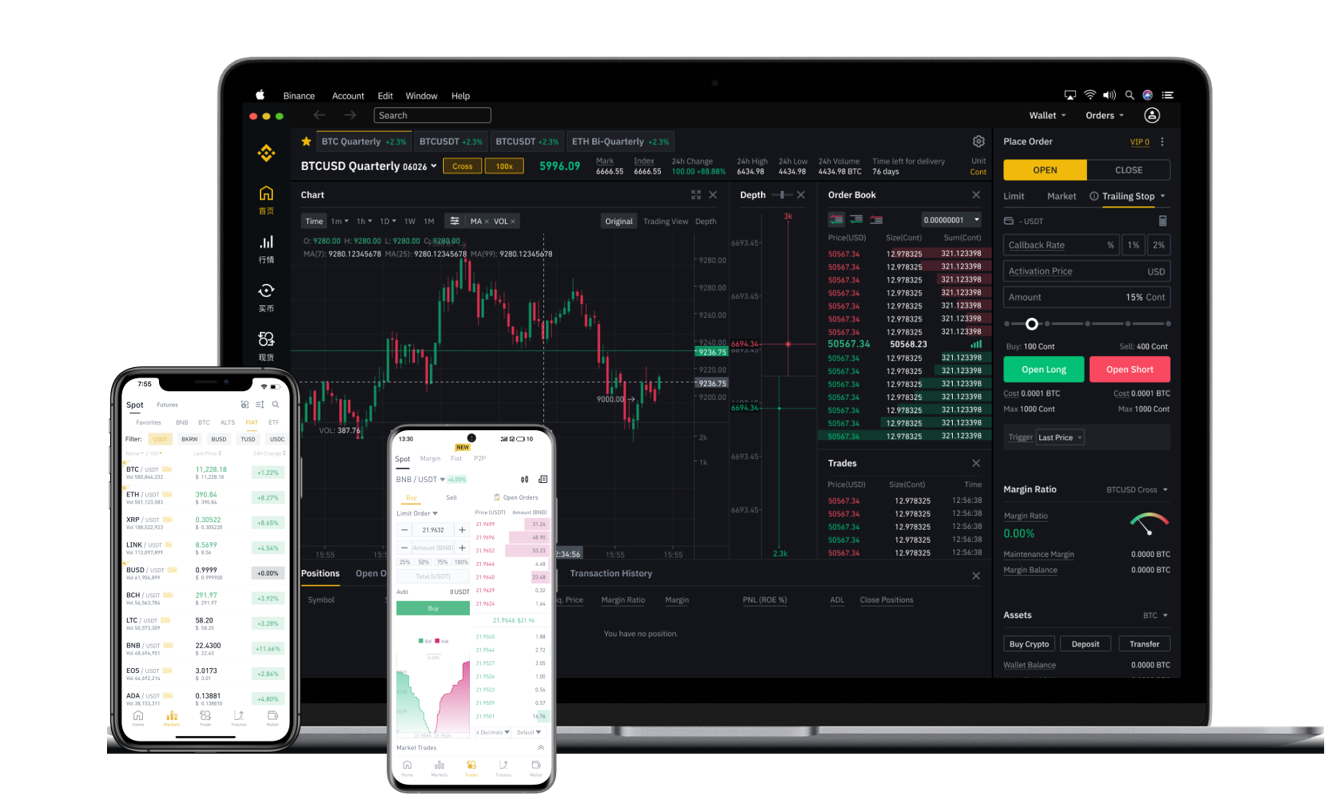
First, understand what a fake Binance exchange looks like. It may use a very similar URL, such as "binance-secure.net" or "binance-login.xyz," instead of the official binance.com. The interface may appear identical, but phishing sites often have slight differences in grammar, logo sharpness, or security certificates. If you search for "fake Binance exchange withdrawal" because your funds are stuck, you are likely dealing with a scam that has no intention of sending your crypto back.
If you cannot withdraw, stop sending any more money. A common trick is for the scammer to show a fake "withdrawal pending" status and then demand an "urgent verification fee." This is a secondary scam. You will never see your principal, and paying the fee only adds to your loss. Real exchanges never require a deposit to unlock a withdrawal.
What can you actually do? The short answer is: recovery is very difficult, but not impossible. Immediately document everything: the URL of the fake site, any transaction IDs (TXIDs) from the blockchain, screenshots of the withdrawal error messages, and any communication with the scammers. Next, report the scam to your local cybercrime authority. In the US, file a report with the FBI’s IC3. In the UK, report to Action Fraud. In many other jurisdictions, report to the national cyber police. These reports create a paper trail and may help in future investigations.
Do not hire "fund recovery" services you find online through Google ads or Telegram groups. These are almost always scammers themselves. They will promise to hack the fake exchange or recover your BTC for a fee. They cannot. The only legitimate recovery action is through law enforcement or blockchain analysis firms working with official authorities. Track the receiving address on a blockchain explorer. If the scammers move the funds to a known exchange that requires KYC, law enforcement may be able to freeze the assets. This is rare for small amounts but possible for large sums.
Prevention is the only real protection. Before you deposit into any platform that claims to be Binance, always double-check the URL. Bookmark the official site. Look for the green padlock in the address bar and verify the certificate is issued to "Binance" and matches "binance.com." Use 2FA from an authenticator app, not SMS. If you are already stuck, cut your losses, report the crime, and understand that no quick online tool can reverse a Bitcoin transaction once confirmed on the blockchain.
Finally, if you searched "fake Binance exchange withdrawal," be very cautious with your next step. Do not share your private keys or seed phrase with anyone who claims they can help. Your private key is the only real key to your funds—never enter it into any website, especially one that says it will "connect to your wallet to withdraw." The scammers are counting on your desperation. Stay calm, accept the loss as a hard lesson, and focus on using only verified, official platforms going forward.